Several weeks ago I drove three hours in my 97' F-150 with one of my 2 year old twin daughters to my brother's house to help him get materials and to build a reloading bench. As is my habit on a trip of that length I'll have music playing from an MP3 player. It was either the Newsboys or All Star United that was playing. Over the top of one of the songs I heard "Daddy. Daddy. Daddy. Hey Daaady!" So I promply turn down the music to hear what she has to say to me from her car seat next to me in the truck.
When my wife and I brought our daughters to baptism, one of the things we agreed to before our pastor, family and close friends, was to see to the Christian instruction of our children. We took this very seriously. We are teachers by trade. Currently we are in children's ministries and in it I get to bring Law and Gospel to children (most of whom are from a non-Lutheran background) that they might have faith that comes by hearing of the word of God (Romans 10:17). At home we teach our children in a similiar fashion using Law and Gospel.
So I turned down the music that was playing to hear my daghter. She says "Daddy" one more time. I say "Yes sweety." She looks at me with her two year old smile and says "Daddy, Jesus saved me." I stared smiling at my daughter for minute, fighting back tears and emotion, and then quickly swerve the truck back into my lane on the highway. Eyes forward on my driving I reached over with my right hand, holding her hand in mine and said "Yes He did sweety. Yes He did."
Children, regarless of age, can have faith. That faith, after all, is given by Christ. Let us not forget John, while still in Elizabeth's womb, lept for joy upon hearing the greeting from Mary that she was carrying the Christ, our Savior. (Luke 1:39-45)
"Daddy, Jesus saved me."
"Yes He did sweety. Yes He did."
Thank you Jesus.
Jesu Juva,
Soli Deo Gloria

Tuesday, October 4, 2011

Monday, October 3, 2011
Hymn Monday - "My Hope is Built on Nothing Less"
Today's hymn, "My Hope is Built on Nothing Less" (#576), is from the "Lutheran Service Book" (c) 2006 Concordia Publishing House.
My hope is built on nothing less Than Jesus' blood and righteousness;
No merit of my own I claim But wholly lean on Jesus's name.
On Christ, the solid rock, I stand; All other ground is sinking sand,
All other ground is sinking sand.
When darkness veils His lovely face, I rest on His unchanging grace;
In ev'ry high and stormy gale My anchor holds within the veil.
On Christ, the solid rock, I stand; All other ground is sinking sand,
All other ground is sinking sand.
His oath, his covenant and blood Support me in the raging flood;
When ev'ry earthly prop gives way, He then is all my hope and stay.
On Christ, the solid rock, I stand; All other ground is sinking sand,
All other ground is sinking sand.
When He shall come with trumpet sound, Oh, may I then in Him be found,
Clothed in His righteousness alone, Redeemed to stand before His throne!
On Christ, the solid rock, I stand; All other ground is sinking sand,
All other ground is sinking sand.
Jesu Juva,
Soli Deo Gloria
My hope is built on nothing less Than Jesus' blood and righteousness;
No merit of my own I claim But wholly lean on Jesus's name.
On Christ, the solid rock, I stand; All other ground is sinking sand,
All other ground is sinking sand.
When darkness veils His lovely face, I rest on His unchanging grace;
In ev'ry high and stormy gale My anchor holds within the veil.
On Christ, the solid rock, I stand; All other ground is sinking sand,
All other ground is sinking sand.
His oath, his covenant and blood Support me in the raging flood;
When ev'ry earthly prop gives way, He then is all my hope and stay.
On Christ, the solid rock, I stand; All other ground is sinking sand,
All other ground is sinking sand.
When He shall come with trumpet sound, Oh, may I then in Him be found,
Clothed in His righteousness alone, Redeemed to stand before His throne!
On Christ, the solid rock, I stand; All other ground is sinking sand,
All other ground is sinking sand.
Jesu Juva,
Soli Deo Gloria
Sunday, October 2, 2011
Trinity 15 Readings
1 Kings 17:8-16
English Standard Version (ESV)
The Widow of Zarephath
8Then the word of the LORD came to him, 9"Arise, go to Zarephath, which belongs to Sidon, and dwell there. Behold, I have commanded a widow there to feed you." 10So he arose and went to Zarephath. And when he came to the gate of the city, behold, a widow was there gathering sticks. And he called to her and said, "Bring me a little water in a vessel, that I may drink." 11And as she was going to bring it, he called to her and said, "Bring me a morsel of bread in your hand." 12And she said, "As the LORD your God lives, I have nothing baked, only a handful of flour in a jar and a little oil in a jug. And now I am gathering a couple of sticks that I may go in and prepare it for myself and my son, that we may eat it and die." 13And Elijah said to her, "Do not fear; go and do as you have said. But first make me a little cake of it and bring it to me, and afterward make something for yourself and your son. 14For thus says the LORD, the God of Israel, 'The jar of flour shall not be spent, and the jug of oil shall not be empty, until the day that the LORD sends rain upon the earth.'" 15And she went and did as Elijah said. And she and he and her household ate for many days. 16The jar of flour was not spent, neither did the jug of oil become empty, according to the word of the LORD that he spoke by Elijah.
Galatians 5:25-6:10
English Standard Version (ESV)
25If we live by the Spirit, let us also walk by the Spirit. 26 Let us not become conceited, provoking one another, envying one another.
Galatians 6
Bear One Another’s Burdens
1Brothers, if anyone is caught in any transgression, you who are spiritual should restore him in a spirit of gentleness. Keep watch on yourself, lest you too be tempted. 2 Bear one another’s burdens, and so fulfill the law of Christ. 3For if anyone thinks he is something, when he is nothing, he deceives himself. 4But let each one test his own work, and then his reason to boast will be in himself alone and not in his neighbor. 5For each will have to bear his own load.
6 One who is taught the word must share all good things with the one who teaches. 7 Do not be deceived: God is not mocked, for whatever one sows, that will he also reap. 8For the one who sows to his own flesh will from the flesh reap corruption, but the one who sows to the Spirit will from the Spirit reap eternal life. 9And let us not grow weary of doing good, for in due season we will reap, if we do not give up. 10So then, as we have opportunity, let us do good to everyone, and especially to those who are of the household of faith.
Matthew 6:24-34
English Standard Version (ESV)
24 "No one can serve two masters, for either he will hate the one and love the other, or he will be devoted to the one and despise the other. You cannot serve God and money.
Do Not Be Anxious
25 "Therefore I tell you, do not be anxious about your life, what you will eat or what you will drink, nor about your body, what you will put on. Is not life more than food, and the body more than clothing? 26 Look at the birds of the air: they neither sow nor reap nor gather into barns, and yet your heavenly Father feeds them. Are you not of more value than they? 27And which of you by being anxious can add a single hour to his span of life? 28And why are you anxious about clothing? Consider the lilies of the field, how they grow: they neither toil nor spin, 29yet I tell you, even Solomon in all his glory was not arrayed like one of these. 30But if God so clothes the grass of the field, which today is alive and tomorrow is thrown into the oven, will he not much more clothe you, O you of little faith? 31Therefore do not be anxious, saying, 'What shall we eat?' or 'What shall we drink?' or 'What shall we wear?' 32For the Gentiles seek after all these things, and your heavenly Father knows that you need them all. 33But seek first the kingdom of God and his righteousness, and all these things will be added to you.
34 "Therefore do not be anxious about tomorrow, for tomorrow will be anxious for itself. Sufficient for the day is its own trouble.
English Standard Version (ESV)
The Widow of Zarephath
8Then the word of the LORD came to him, 9"Arise, go to Zarephath, which belongs to Sidon, and dwell there. Behold, I have commanded a widow there to feed you." 10So he arose and went to Zarephath. And when he came to the gate of the city, behold, a widow was there gathering sticks. And he called to her and said, "Bring me a little water in a vessel, that I may drink." 11And as she was going to bring it, he called to her and said, "Bring me a morsel of bread in your hand." 12And she said, "As the LORD your God lives, I have nothing baked, only a handful of flour in a jar and a little oil in a jug. And now I am gathering a couple of sticks that I may go in and prepare it for myself and my son, that we may eat it and die." 13And Elijah said to her, "Do not fear; go and do as you have said. But first make me a little cake of it and bring it to me, and afterward make something for yourself and your son. 14For thus says the LORD, the God of Israel, 'The jar of flour shall not be spent, and the jug of oil shall not be empty, until the day that the LORD sends rain upon the earth.'" 15And she went and did as Elijah said. And she and he and her household ate for many days. 16The jar of flour was not spent, neither did the jug of oil become empty, according to the word of the LORD that he spoke by Elijah.
Galatians 5:25-6:10
English Standard Version (ESV)
25If we live by the Spirit, let us also walk by the Spirit. 26 Let us not become conceited, provoking one another, envying one another.
Galatians 6
Bear One Another’s Burdens
1Brothers, if anyone is caught in any transgression, you who are spiritual should restore him in a spirit of gentleness. Keep watch on yourself, lest you too be tempted. 2 Bear one another’s burdens, and so fulfill the law of Christ. 3For if anyone thinks he is something, when he is nothing, he deceives himself. 4But let each one test his own work, and then his reason to boast will be in himself alone and not in his neighbor. 5For each will have to bear his own load.
6 One who is taught the word must share all good things with the one who teaches. 7 Do not be deceived: God is not mocked, for whatever one sows, that will he also reap. 8For the one who sows to his own flesh will from the flesh reap corruption, but the one who sows to the Spirit will from the Spirit reap eternal life. 9And let us not grow weary of doing good, for in due season we will reap, if we do not give up. 10So then, as we have opportunity, let us do good to everyone, and especially to those who are of the household of faith.
Matthew 6:24-34
English Standard Version (ESV)
24 "No one can serve two masters, for either he will hate the one and love the other, or he will be devoted to the one and despise the other. You cannot serve God and money.
Do Not Be Anxious
25 "Therefore I tell you, do not be anxious about your life, what you will eat or what you will drink, nor about your body, what you will put on. Is not life more than food, and the body more than clothing? 26 Look at the birds of the air: they neither sow nor reap nor gather into barns, and yet your heavenly Father feeds them. Are you not of more value than they? 27And which of you by being anxious can add a single hour to his span of life? 28And why are you anxious about clothing? Consider the lilies of the field, how they grow: they neither toil nor spin, 29yet I tell you, even Solomon in all his glory was not arrayed like one of these. 30But if God so clothes the grass of the field, which today is alive and tomorrow is thrown into the oven, will he not much more clothe you, O you of little faith? 31Therefore do not be anxious, saying, 'What shall we eat?' or 'What shall we drink?' or 'What shall we wear?' 32For the Gentiles seek after all these things, and your heavenly Father knows that you need them all. 33But seek first the kingdom of God and his righteousness, and all these things will be added to you.
34 "Therefore do not be anxious about tomorrow, for tomorrow will be anxious for itself. Sufficient for the day is its own trouble.
Saturday, October 1, 2011
Confessional Saturday #4: Chief Articles of the Faith 1-3
CHIEF ARTICLES OF FAITH
ARTICLE I
God
1 Our churches teach with common consent that the decree of the Council of Nicaea about the unity of the divine essence and the three persons is true. 2 It is to be believed without any doubt. God is one divine essence who is eternal, without a body, without parts, of infinite power, wisdom, and goodness. He is the maker and preserver of all things, visible and invisible [Nehemiah 9:6]. 3 Yet there are three persons, the Father, the Son, and the Holy Spirit [Matthew 28:19]. These three persons are of the same essence and power. 4 Our churches use the term person as the Fathers have used it. We use it to signify, not a part or quality in another, but that which subsists of itself.
5 Our churches condemn all heresies [Titus 3:10–11] that arose against this article, such as the Manichaeans, who assumed that there are two “principles,” one Good and the other Evil. They also condemn the Valentinians, Arians, Eunomians, Muslims, and all heresies such as these. 6 Our churches also condemn the Samosatenes, old and new, who contend that God is but one person. Through sophistry they impiously argue that the Word and the Holy Spirit are not distinct persons. They say that Word signifies a spoken word, and Spirit signifies motion created in things.
ARTICLE II
Original Sin
1 Our churches teach that since the fall of Adam [Romans 5:12], all who are naturally born are born with sin [Psalm 51:5], that is, without the fear of God, without trust in God, and with the inclination to sin, called concupiscence. 2 Concupiscence is a disease and original vice that is truly sin. It damns and brings eternal death on those who are not born anew through Baptism and the Holy Spirit [John 3:5].
3 Our churches condemn the Pelagians and others who deny that original depravity is sin, thus obscuring the glory of Christ’s merit and benefits. Pelagians argue that a person can be justified before God by his own strength and reason.
ARTICLE III
The Son of God
1 Our churches teach that the Word, that is, the Son of God [John 1:14], assumed the human nature in the womb of the Blessed Virgin Mary. 2 So there are two natures—the divine and the human—inseparably joined in one person. There is one Christ, true God and true man, who was born of the Virgin Mary, truly suffered, was crucified, died, and was buried. 3 He did this to reconcile the Father to us and to be a sacrifice, not only for original guilt, but also for all actual sins of mankind [John 1:29].
4 He also descended into hell, and truly rose again on the third day. Afterward, He ascended into heaven to sit at the right hand of the Father. There He forever reigns and has dominion over all creatures. 5 He sanctifies those who believe in Him, by sending the Holy Spirit into their hearts to rule, comfort, and make them alive. He defends them against the devil and the power of sin.
6 The same Christ will openly come again to judge the living and the dead, and so forth, according to the Apostles’ Creed.
Concordia : The Lutheran Confessions. Edited by Paul Timothy McCain. St. Louis, MO : Concordia Publishing House, 2005, S. 31
Jesu Juva,
Soli Deo Gloria
ARTICLE I
God
1 Our churches teach with common consent that the decree of the Council of Nicaea about the unity of the divine essence and the three persons is true. 2 It is to be believed without any doubt. God is one divine essence who is eternal, without a body, without parts, of infinite power, wisdom, and goodness. He is the maker and preserver of all things, visible and invisible [Nehemiah 9:6]. 3 Yet there are three persons, the Father, the Son, and the Holy Spirit [Matthew 28:19]. These three persons are of the same essence and power. 4 Our churches use the term person as the Fathers have used it. We use it to signify, not a part or quality in another, but that which subsists of itself.
5 Our churches condemn all heresies [Titus 3:10–11] that arose against this article, such as the Manichaeans, who assumed that there are two “principles,” one Good and the other Evil. They also condemn the Valentinians, Arians, Eunomians, Muslims, and all heresies such as these. 6 Our churches also condemn the Samosatenes, old and new, who contend that God is but one person. Through sophistry they impiously argue that the Word and the Holy Spirit are not distinct persons. They say that Word signifies a spoken word, and Spirit signifies motion created in things.
ARTICLE II
Original Sin
1 Our churches teach that since the fall of Adam [Romans 5:12], all who are naturally born are born with sin [Psalm 51:5], that is, without the fear of God, without trust in God, and with the inclination to sin, called concupiscence. 2 Concupiscence is a disease and original vice that is truly sin. It damns and brings eternal death on those who are not born anew through Baptism and the Holy Spirit [John 3:5].
3 Our churches condemn the Pelagians and others who deny that original depravity is sin, thus obscuring the glory of Christ’s merit and benefits. Pelagians argue that a person can be justified before God by his own strength and reason.
ARTICLE III
The Son of God
1 Our churches teach that the Word, that is, the Son of God [John 1:14], assumed the human nature in the womb of the Blessed Virgin Mary. 2 So there are two natures—the divine and the human—inseparably joined in one person. There is one Christ, true God and true man, who was born of the Virgin Mary, truly suffered, was crucified, died, and was buried. 3 He did this to reconcile the Father to us and to be a sacrifice, not only for original guilt, but also for all actual sins of mankind [John 1:29].
4 He also descended into hell, and truly rose again on the third day. Afterward, He ascended into heaven to sit at the right hand of the Father. There He forever reigns and has dominion over all creatures. 5 He sanctifies those who believe in Him, by sending the Holy Spirit into their hearts to rule, comfort, and make them alive. He defends them against the devil and the power of sin.
6 The same Christ will openly come again to judge the living and the dead, and so forth, according to the Apostles’ Creed.
Concordia : The Lutheran Confessions. Edited by Paul Timothy McCain. St. Louis, MO : Concordia Publishing House, 2005, S. 31
Jesu Juva,
Soli Deo Gloria
Friday, September 30, 2011
Funny Fridays #5!
It's Funny Friday #5! We'll be having postings of a humorous nature. What a better place to start than with the folks at Lutheran Satire.
Jesu Juva,
Soli Deo Gloria
Jesu Juva,
Soli Deo Gloria
Thursday, September 29, 2011
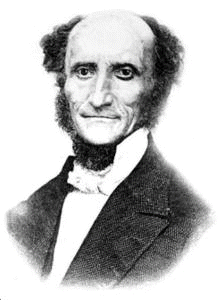
Historical Church Writings #9: C.F.W. Walther on Righteousness
Today is Historical Church Writing Thursday. Each Thursday will feature the writings of the church fathers, reformation fathers or other church writings. Today's Historical Church Writing is from C.F.W. Walther:
Soli Deo Gloria
Jesu Juva,A person becomes righteous in the sight of God solely by faith.... Faith is demanded of us, not in order that there might be at least some little work that we are to do, as otherwise there would be no difference between those who go to hell and those go to heaven. No; righteousness is of faith in order that it may be of grace. Both statements are identical. When I say: "A person becomes righteous in the sight of God by faith," I mean to say: "He becomes righteous gratuitously, by grace, by God's making righteousness a gift to him." Nothing is demanded of the person; he is told: "Stretch out your hand, and you have it." Just tat is what faith is -- reaching out the hand. Suppose a person had never heard a word concerning faith and, on being told the Gospel, would rejoice, accept it, put his confidence in it, and draw comfort from it, that person would have the true, genuine faith, although he may not have heard a word concerning faith.
-- C.F.W. Walther
Soli Deo Gloria
Wednesday, September 28, 2011
LLC Wednesdays #2: Short Preface
Today is Luther's Large Catechism Wednesdays! Each Wednesday we will be going through a section of Luther's Large Catechism.
LLC Wednesdays #2
Short Preface of Dr. Martin Luther
1 This sermon is designed and undertaken to be an instruction for children and the simple folk. Therefore, in ancient times it was called in Greek catechism (i.e., instruction for children). 2 It teaches what every Christian must know. So a person who does not know this catechism could not be counted as a Christian or be admitted to any Sacrament, just as a mechanic who does not understand the rules and customs of his trade is expelled and considered incapable. 3 Therefore, we must have the young learn well and fluently the parts of the catechism or instruction for children, diligently exercise themselves in them, and keep them busy with these parts.
4 Therefore, it is the duty of every father of a family to question and examine his children and servants at least once a week and see what they know or are learning from the catechism. And if they do not know the catechism, he should keep them learning it faithfully. 5 For I well remember the time—indeed, even now it happens daily—that one finds rude, old persons who knew nothing and still know nothing about these things. Yet they go to Baptism and the Lord’s Supper and use everything belonging to Christians, even though people who come to the Lord’s Supper ought to know more and have a fuller understanding of all Christian doctrine than children and new scholars. 6 However, for the common people we are satisfied if they know the three “parts.” These have remained in Christendom from of old, though little of them has been taught and used correctly until both young and old (who are called Christians and wish to be so) are well trained in them and familiar with them. These parts are the following:
FIRST
GOD’S TEN COMMANDMENTS
1. You shall have no other gods.
2. You shall not take the name of the Lord, your God, in vain.
3. You shall sanctify the holy day.
4. You shall honor your father and mother ‹that it may be well with you and you may live long upon the earth›.
5. You shall not murder.
6. You shall not commit adultery.
7. You shall not steal.
8. You shall not bear false witness against your neighbor.
9. You shall not covet your neighbor’s house.
10. You shall not covet your neighbor’s wife, or his manservant, or his maidservant, or his cattle, or anything that is his.
SECOND
THE CHIEF ARTICLES OF OUR FAITH
11 1. I believe in God, the Father Almighty, maker of heaven and earth.
12 2. And in Jesus Christ, His only Son, our Lord, who was conceived by the Holy Spirit, born of the virgin Mary, suffered under Pontius Pilate, was crucified, died and was buried. He descended into hell. The third day He rose again from the dead. He ascended into heaven and sits at the right hand of God the Father Almighty. From thence He will come to judge the living and the dead.
13 3. I believe in the Holy Spirit, the holy Christian Church, the communion of saints, the forgiveness of sins, the resurrection of the body, and the life everlasting. Amen.
14 THIRD
THE PRAYER, OR “OUR FATHER,” WHICH CHRIST TAUGHT
Our Father who art in heaven.
1. Hallowed be Thy name.
2. Thy kingdom come.
3. Thy will be done on earth as it is in heaven.
4. Give us this day our daily bread.
5. And forgive us our trespasses as we forgive those who trespass against us.
6. And lead us not into temptation.
7. But deliver us from evil. [For Thine is the kingdom and the power and the glory forever and ever.] Amen.
15 These are the most necessary parts of Christian teaching that one should first learn to repeat word for word. 16 And our children should be used to reciting them daily when they rise in the morning, when they sit down to their meals, and when they go to bed at night. And until they repeat them, they should not be given food or drink. 17 Likewise, every head of a household is bound to do the same with his household, manservants, and maidservants. He should not keep them in his house if they do not know these things or are unwilling to learn them. 18 A person who is so rude and unruly as to be unwilling to learn these things is not to be tolerated. For in these three parts, everything that we have in the Scriptures is included in short, plain, and simple terms. 19 For the holy fathers or apostles (whoever first taught these things) have summarized the doctrine, life, wisdom, and art of Christians this way. These parts speak, teach, and are focused on them.
20 Now, when these three parts are understood, a person must also know what to say about our Sacraments, which Christ Himself instituted: Baptism and the holy body and blood of Christ. They should know the texts that Matthew [28:19–20] and Mark [16:15–16] record at the close of their Gospels, when Christ said farewell to His disciples and sent them forth.
21 BAPTISM
Go therefore and make disciples of all nations, baptizing them in the name of the Father and of the Son and of the Holy Spirit. [Matthew 28:19]
Whoever believes and is baptized will be saved, but whoever does not believe will be condemned. [Mark 16:16]
22 This is enough for a simple person to know from the Scriptures about Baptism. In like manner, in short, simple words, they should also know the text of St. Paul [1 Corinthians 11:23–26] about the other Sacrament.
THE SACRAMENT
23 Our Lord Jesus Christ, on the night He was betrayed, took bread, and when He had given thanks, He broke it and gave it to the disciples and said: “Take, eat; this is My body, which is given for you. This do in remembrance of Me.”
In the same way also, He took the cup after supper, and when He had given thanks, He gave it to them, saying: “Drink of it, all of you; this is My blood of the new testament, which is shed for you for the forgiveness of sins. This do, as often as you drink it, in remembrance of Me.”
24 Then we would have all together five whole parts of Christian doctrine. These should be taught constantly and be required learning for children. You should hear them recited word for word. For you must not rely on the idea that the young people will learn and retain these things from the sermon alone. 25 When these parts have been well learned, you may supplement and strengthen them by also setting before them some psalms or hymns, which have been composed on these parts of the catechism. Lead the young into the Scriptures this way, and make progress in them daily.
26 However, it is not enough for them to understand and recite these parts according to the words alone. The young people should also be made to attend the preaching, especially during the time that is devoted to the catechism. Then they may hear it explained and may learn to understand what every part contains, so that they can recite it the way they have heard it. Then, when asked, they may give a correct answer, so that preaching may not be useless and fruitless. 27 For the reason we exercise such diligence in preaching the catechism often is so that it may be taught to our youth, not in a high and clever way, but briefly and with the greatest simplicity. In this way it will enter the mind easily and be fixed in the memory.
28 Therefore, we shall now take up the above-mentioned articles one by one, and in the plainest manner possible say as much as is necessary about them.
Concordia : The Lutheran Confessions. Edited by Paul Timothy McCain. St. Louis, MO : Concordia Publishing House, 2005, S. 355
Jesu Juva,
Soli Deo Gloria
LLC Wednesdays #2
Short Preface of Dr. Martin Luther
1 This sermon is designed and undertaken to be an instruction for children and the simple folk. Therefore, in ancient times it was called in Greek catechism (i.e., instruction for children). 2 It teaches what every Christian must know. So a person who does not know this catechism could not be counted as a Christian or be admitted to any Sacrament, just as a mechanic who does not understand the rules and customs of his trade is expelled and considered incapable. 3 Therefore, we must have the young learn well and fluently the parts of the catechism or instruction for children, diligently exercise themselves in them, and keep them busy with these parts.
4 Therefore, it is the duty of every father of a family to question and examine his children and servants at least once a week and see what they know or are learning from the catechism. And if they do not know the catechism, he should keep them learning it faithfully. 5 For I well remember the time—indeed, even now it happens daily—that one finds rude, old persons who knew nothing and still know nothing about these things. Yet they go to Baptism and the Lord’s Supper and use everything belonging to Christians, even though people who come to the Lord’s Supper ought to know more and have a fuller understanding of all Christian doctrine than children and new scholars. 6 However, for the common people we are satisfied if they know the three “parts.” These have remained in Christendom from of old, though little of them has been taught and used correctly until both young and old (who are called Christians and wish to be so) are well trained in them and familiar with them. These parts are the following:
FIRST
GOD’S TEN COMMANDMENTS
1. You shall have no other gods.
2. You shall not take the name of the Lord, your God, in vain.
3. You shall sanctify the holy day.
4. You shall honor your father and mother ‹that it may be well with you and you may live long upon the earth›.
5. You shall not murder.
6. You shall not commit adultery.
7. You shall not steal.
8. You shall not bear false witness against your neighbor.
9. You shall not covet your neighbor’s house.
10. You shall not covet your neighbor’s wife, or his manservant, or his maidservant, or his cattle, or anything that is his.
SECOND
THE CHIEF ARTICLES OF OUR FAITH
11 1. I believe in God, the Father Almighty, maker of heaven and earth.
12 2. And in Jesus Christ, His only Son, our Lord, who was conceived by the Holy Spirit, born of the virgin Mary, suffered under Pontius Pilate, was crucified, died and was buried. He descended into hell. The third day He rose again from the dead. He ascended into heaven and sits at the right hand of God the Father Almighty. From thence He will come to judge the living and the dead.
13 3. I believe in the Holy Spirit, the holy Christian Church, the communion of saints, the forgiveness of sins, the resurrection of the body, and the life everlasting. Amen.
14 THIRD
THE PRAYER, OR “OUR FATHER,” WHICH CHRIST TAUGHT
Our Father who art in heaven.
1. Hallowed be Thy name.
2. Thy kingdom come.
3. Thy will be done on earth as it is in heaven.
4. Give us this day our daily bread.
5. And forgive us our trespasses as we forgive those who trespass against us.
6. And lead us not into temptation.
7. But deliver us from evil. [For Thine is the kingdom and the power and the glory forever and ever.] Amen.
15 These are the most necessary parts of Christian teaching that one should first learn to repeat word for word. 16 And our children should be used to reciting them daily when they rise in the morning, when they sit down to their meals, and when they go to bed at night. And until they repeat them, they should not be given food or drink. 17 Likewise, every head of a household is bound to do the same with his household, manservants, and maidservants. He should not keep them in his house if they do not know these things or are unwilling to learn them. 18 A person who is so rude and unruly as to be unwilling to learn these things is not to be tolerated. For in these three parts, everything that we have in the Scriptures is included in short, plain, and simple terms. 19 For the holy fathers or apostles (whoever first taught these things) have summarized the doctrine, life, wisdom, and art of Christians this way. These parts speak, teach, and are focused on them.
20 Now, when these three parts are understood, a person must also know what to say about our Sacraments, which Christ Himself instituted: Baptism and the holy body and blood of Christ. They should know the texts that Matthew [28:19–20] and Mark [16:15–16] record at the close of their Gospels, when Christ said farewell to His disciples and sent them forth.
21 BAPTISM
Go therefore and make disciples of all nations, baptizing them in the name of the Father and of the Son and of the Holy Spirit. [Matthew 28:19]
Whoever believes and is baptized will be saved, but whoever does not believe will be condemned. [Mark 16:16]
22 This is enough for a simple person to know from the Scriptures about Baptism. In like manner, in short, simple words, they should also know the text of St. Paul [1 Corinthians 11:23–26] about the other Sacrament.
THE SACRAMENT
23 Our Lord Jesus Christ, on the night He was betrayed, took bread, and when He had given thanks, He broke it and gave it to the disciples and said: “Take, eat; this is My body, which is given for you. This do in remembrance of Me.”
In the same way also, He took the cup after supper, and when He had given thanks, He gave it to them, saying: “Drink of it, all of you; this is My blood of the new testament, which is shed for you for the forgiveness of sins. This do, as often as you drink it, in remembrance of Me.”
24 Then we would have all together five whole parts of Christian doctrine. These should be taught constantly and be required learning for children. You should hear them recited word for word. For you must not rely on the idea that the young people will learn and retain these things from the sermon alone. 25 When these parts have been well learned, you may supplement and strengthen them by also setting before them some psalms or hymns, which have been composed on these parts of the catechism. Lead the young into the Scriptures this way, and make progress in them daily.
26 However, it is not enough for them to understand and recite these parts according to the words alone. The young people should also be made to attend the preaching, especially during the time that is devoted to the catechism. Then they may hear it explained and may learn to understand what every part contains, so that they can recite it the way they have heard it. Then, when asked, they may give a correct answer, so that preaching may not be useless and fruitless. 27 For the reason we exercise such diligence in preaching the catechism often is so that it may be taught to our youth, not in a high and clever way, but briefly and with the greatest simplicity. In this way it will enter the mind easily and be fixed in the memory.
28 Therefore, we shall now take up the above-mentioned articles one by one, and in the plainest manner possible say as much as is necessary about them.
Concordia : The Lutheran Confessions. Edited by Paul Timothy McCain. St. Louis, MO : Concordia Publishing House, 2005, S. 355
Jesu Juva,
Soli Deo Gloria
Subscribe to:
Posts (Atom)